





what does oxidation do to your blonde?
How it happens, why it matters + what could be fading your color faster (plus, what you can do about it!)
If you're noticing your blonde starting to get brassy and feel dry, brittle + more prone to breakage all of a sudden, it’s not random—it’s oxidation.
“Oxidation comes from the environment, it can be accelerated by metals and minerals absorbed into your hair, and it can wreak havoc,” explains Fraser Bell, industry expert. “It’s natural and affects all hair types, but because blonde hair can be more susceptible and more porous due to the effects of chemical services.”
So what’s actually happening? Does it matter if your blonde is natural or chemically processed? And how could everyday factors—including your shower—be accelerating the process?
Let’s break it down.
-v1773954170481.gif?3840x2000)
first: what is oxidation?
Oxidation is a chemical reaction that occurs when hair is exposed to oxygen and environmental stressors. “It happens naturally in sunlight, in the air, and over time—it’s unavoidable,” says Bell. “But certain factors can significantly speed it up.”
One of the biggest (and most overlooked) triggers is unfiltered tap water, which is full of hard water minerals, like calcium and magnesium, as well as trace metals like iron and copper. These particles don’t simply rinse away. They cling to the hair fiber, especially if it’s bleached, lightened, or already compromised by damage.
Chlorinated pool water, UV exposure, heat styling, and even old plumbing can further accelerate the oxidation process.
Over time, this leads to a dulling buildup on the hair. This buildup is what causes frizz, dryness, and a slew of strange texture issues. If you’ve ever stepped out of the shower and felt like your hair somehow feels unclean after a full wash routine, that’s a classic sign of hard water buildup. For those with highlighted or lightened hair, this buildup simultaneously degrades color molecules and weakens the hair’s internal structure. The result is blonde that looks less bright, feels rougher to the touch, and becomes more vulnerable with every wash.
metals = tone shifters
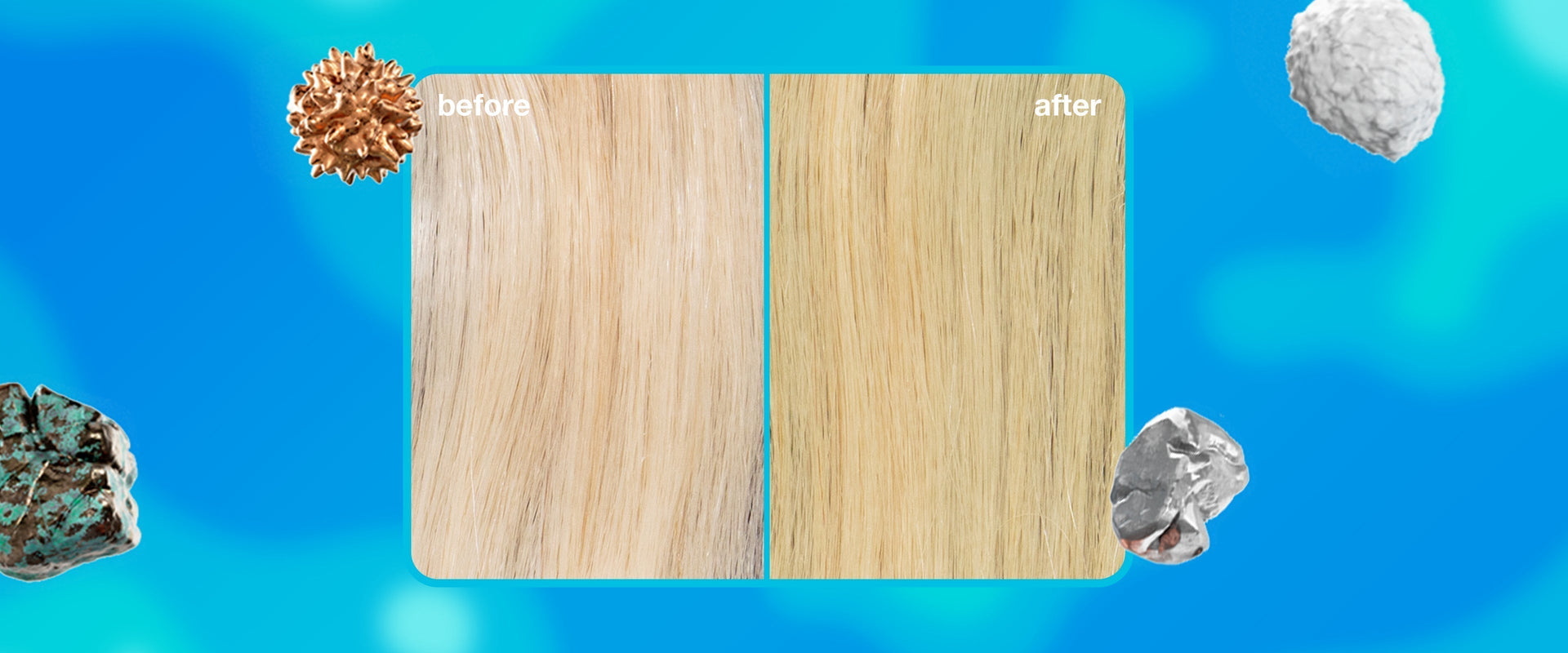
Not all buildup affects blondes the same way. Iron and copper actually embed into the hair fiber–and when they meet oxidizing agents (like the hydrogen and peroxide used in lightening services, or even sunlight and heat), they can make brass appear faster, intensifying yellow and orange tones.
They also create free radicals that can cause uneven lift, breakage, and unwanted tones (including green, which is obviously not ideal).
“Metals can be really problematic during chemical services because their presence can create a result that’s out of the stylist’s control,” says Bell. For anyone that has ever experienced an unexpected in-chair color emergency, we are sincerely sorry. The best way to avoid this ever happening in the future is by coming in with the cleanest, healthiest canvas possible for your stylist to work on.
minerals = dullness
Calcium and magnesium don’t directly change hair color, but they do create other issues.
These minerals build up along the hair shaft, forming deposits that leave hair looking flat, dry, and less reflective. They can also disrupt a seamless dye application—even if you’re just adding a few highlights.
“There are regulated amounts allowed in tap water, and we are all exposed to minerals at some level,” says Bell. “But those living in areas with hard water will be exposed to higher concentrations.”
The easiest way to tell if that’s you is to look for tell-tale signs of white, chalky buildup around your showerhead and faucets.
does oxidation matter if you’re a natural blonde?
In short: yes, but in different ways.
“Natural blondes can still suffer from brassiness and dullness because lighter hair makes any discoloration from oxidation more visible,” says Bell.
Chemically lightened hair, however, is usually more porous–and that increased porosity makes it more likely to attract and absorb metals and minerals, sustaining a greater risk of color degradation, breakage, and compromised quality over time.
“If you’re looking for an extreme blonde transformation–like a bold platinum blonde–the result from that service could be quite catastrophic and incredibly damaging if you don’t restore the condition of the hair before,” says Bell. “The lighter you go, the more that control matters.”
getting hair healthy + strong again
Repairing oxidative damage means rebuilding what’s been broken, “especially internal bonds like disulfide bonds damaged by bleach, color, heat and chemical services,” says Bell.
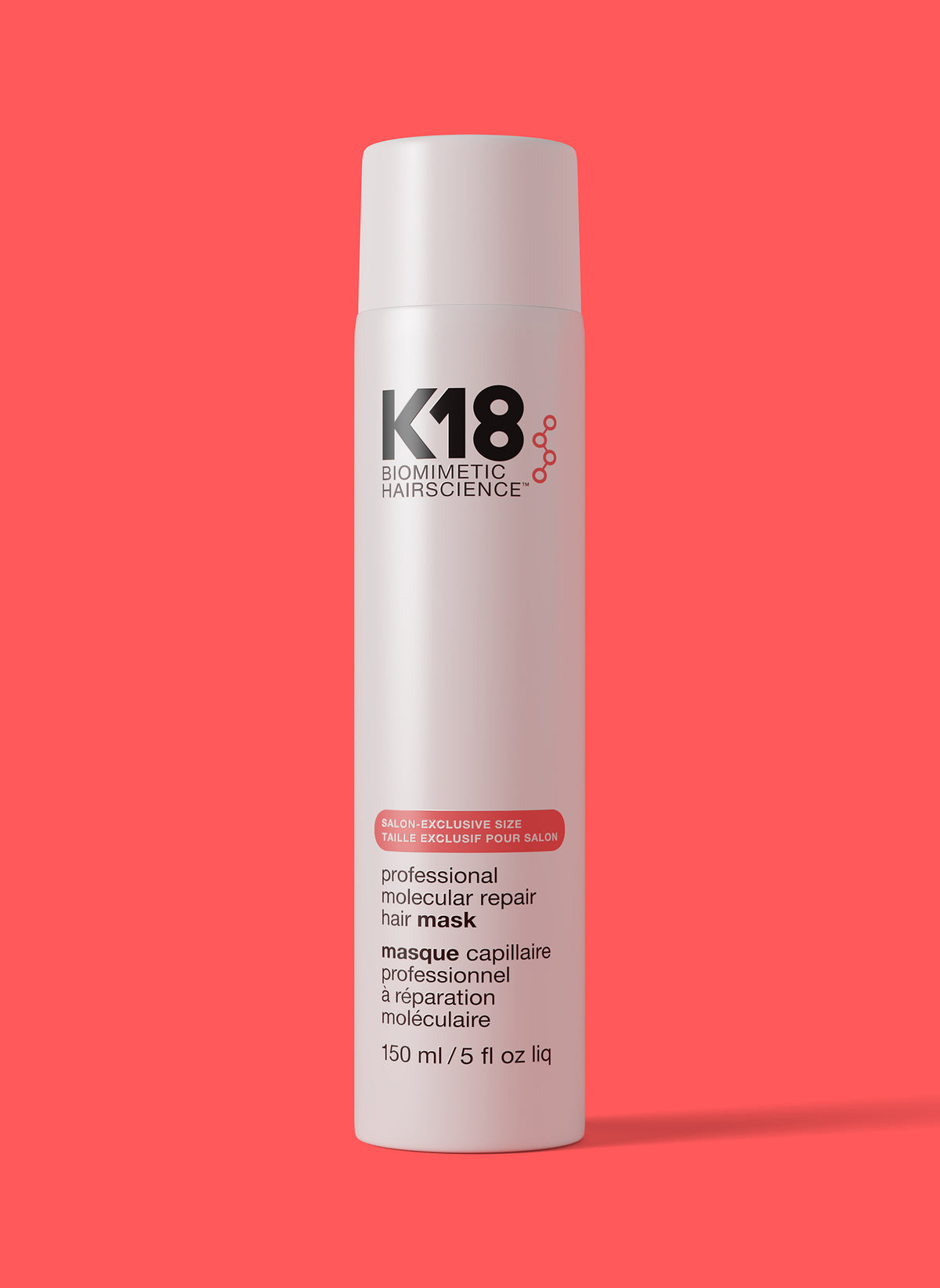
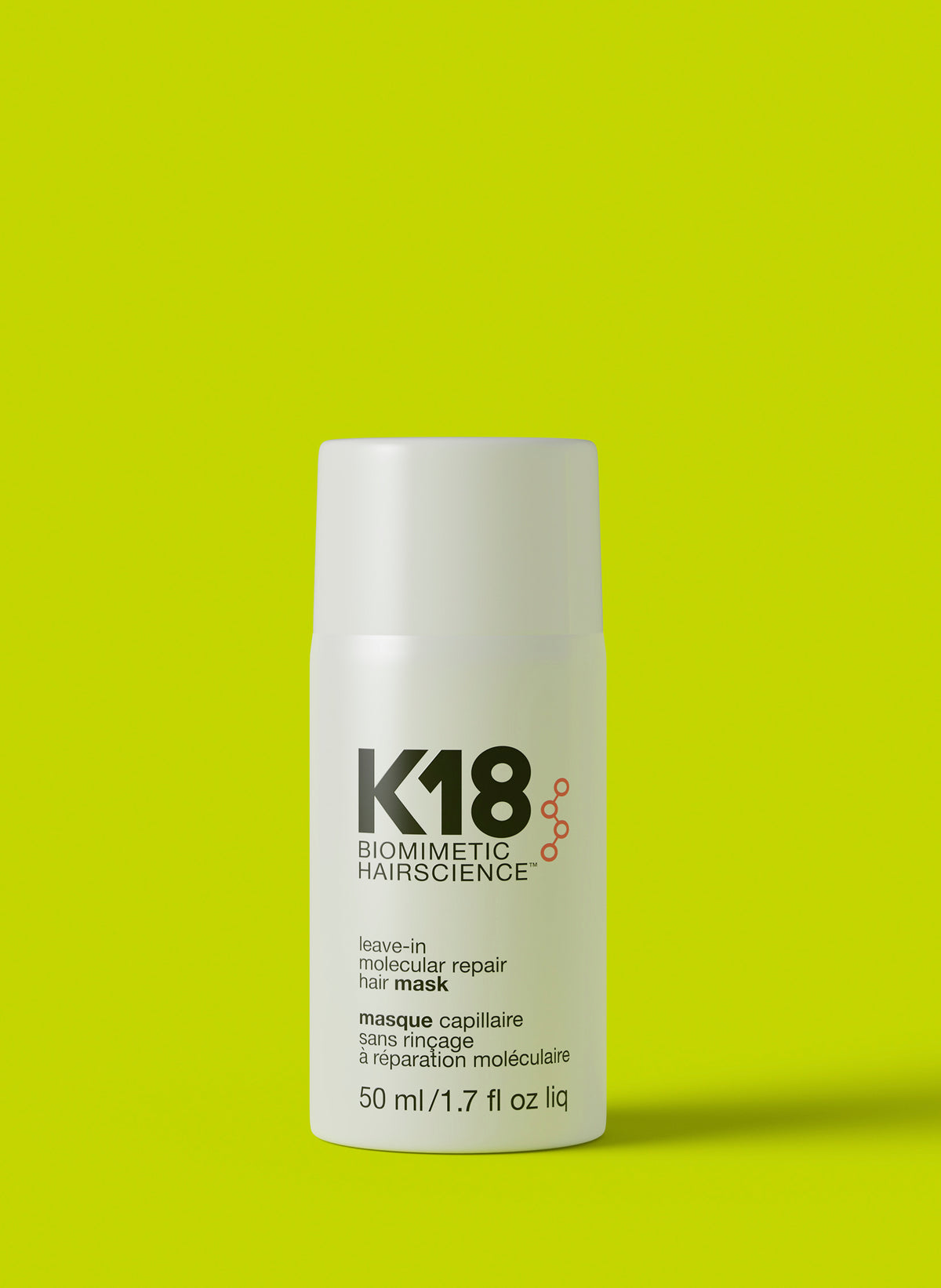
Consistently clarifying hair with peptide prep™ detox shampoo removes 99% product buildup*, 95% sebum* + 76% copper* after just 1 wash. Then following that with the molecular repair mask for real, lasting repair with the help of K18PEPTIDE™ will go a long way in restoring strength, softness, and resilience. However the biggest difference in your hair happens when you prevent accelerated oxidation in the first place…
And for more on that—stay tuned. A brighter future for blondes is coming soon. Join the waitlist for NEW TripleBright oxidation defense purple shampoo.